
Understanding the Global Economy: Important Concepts for Beginners
A clear primer on macroeconomics: Gross Domestic Product, balance of trade, foreign exchange dynamics, globalization, and economic cycles.
Oct 28, 2026 • 9 min read

Demystify macroeconomic inflation: demand-pull vs cost-push, CPI baskets, central bank targets, purchasing power erosion, and inflation-hedging assets.

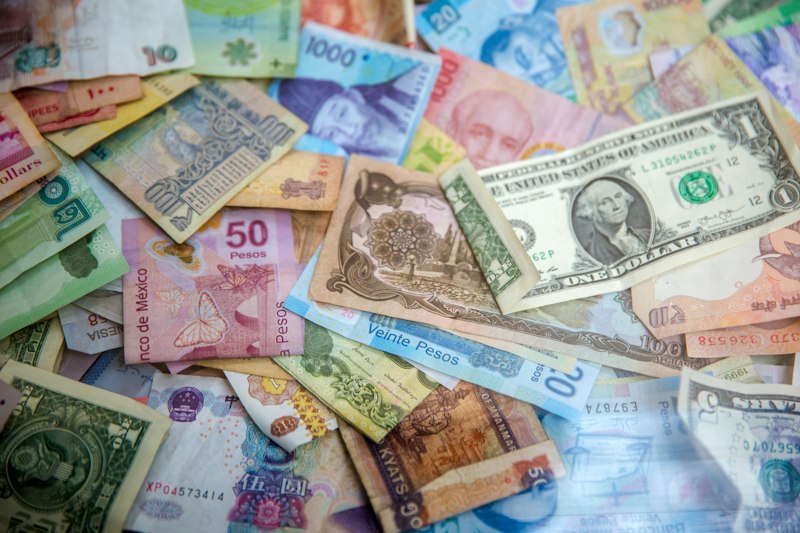
You walk into your neighborhood supermarket, purchase the exact same basket of milk, eggs, bread, and household detergent you bought three years ago, and notice the cash register total is 20% higher. Your physical currency notes look identical, but their ability to purchase tangible goods has deteriorated.
This phenomenon is Inflation—frequently described by economists as the “cruelest tax” because it operates silently, affecting lower and middle-income households without requiring a single legislative vote.
Economists classify inflation into two primary mechanisms:
Occurs when aggregate economic demand outpaces an economy’s capacity to produce goods.
Occurs when the cost of aggregate wages, raw materials, or energy supplies spikes, forcing manufacturers to pass increased production costs onto retail consumers.
Government statistical agencies track inflation through the Consumer Price Index (CPI). Economists assemble a representative “basket” of hundreds of goods and services commonly consumed by typical urban and rural households:
Each category is assigned a weight reflecting its share of household expenditure. By tracking price fluctuations of this basket monthly, statisticians calculate headline inflation rates.
| Holding Horizon | Nominal Cash Balance | Real Purchasing Power Equivalent | Purchasing Power Lost |
|---|---|---|---|
| Year 1 | $10,000 | $9,520 | -4.8% |
| Year 5 | $10,000 | $7,835 | -21.6% |
| Year 10 | $10,000 | $6,140 | -38.6% |
| Year 20 | $10,000 | $3,770 | -62.3% |
After two decades of 5% annual inflation, ten thousand dollars of uninvested paper cash retains less than $3,800 in real purchasing power.
Park only operational living cash and emergency reserves in checking and short-term savings accounts. To protect multi-decade wealth from inevitable inflation erosion, long-term capital must be invested into productive assets—equities, commercial real estate, and business enterprises—that possess the pricing power to raise revenues alongside inflation.
| Target Central Bank Rate | 2.0% (US/Fed) / 4.0% +/- 2% (India/RBI) |
| Primary Protection Tool | Broad-Market Equity Index Funds |
| Fixed Income Hedge | Treasury Inflation-Protected Securities (TIPS) / Floating Rate Bonds |
A modest, predictable 2% inflation rate greases economic wheels. It incentivizes consumers and businesses to invest and spend cash today rather than hoarding currency. Zero inflation or deflation (falling prices) leads to economic stagnation, as consumers postpone purchases waiting for lower prices, triggering business layoffs.
Over multi-century horizons, gold preserves purchasing power remarkably well. Over short-to-medium horizons (5 to 10 years), however, gold exhibits high volatility, pays zero yield, and often underperforms diversified equities.
Demand-Pull inflation occurs when consumer aggregate spending and money supply outpace the economy's productive capacity ('too much money chasing too few goods'). Cost-Push inflation arises when aggregate supply is constrained by external shocks, such as surging crude oil prices, raw material deficits, or supply chain bottlenecks.
Equities of pricing-power corporations, real estate with rent escalation provisions, inflation-indexed government securities (TIPS), and physical productive assets historically protect purchasing power far better than cash or fixed nominal yield instruments.
Shrinkflation occurs when manufacturers reduce product package dimensions, volume, or weight while maintaining the exact same retail shelf price. Discerning shoppers can detect shrinkflation by monitoring the normalized unit cost (e.g., price per ounce or price per gram) rather than the nominal packaging price.
A clear primer on macroeconomics: Gross Domestic Product, balance of trade, foreign exchange dynamics, globalization, and economic cycles.
A survival blueprint for entrepreneurs: cash flow vs profitability, working capital cycles, managing accounts receivable, and building cash buffers.